#TalkingAAC 2026 Conference
November 4-6, 2026
Kellogg Hotel and Conference Center, East Lansing, MI 48823
#TalkingAAC Conference Details
Join us November 4-6, 2026 at the Kellogg Center in East Lansing, Michigan. This two-day event will be packed with learning, collaboration, and connecting with our AAC community!
-
Pre-Conference is Wednesday, November 4, 2026 from 12:00-4:00 p.m.
Cost: $100
2-Day Conference is Thursday & Friday, November 5-6, 2026.
Cost: $300
This price includes breakfast, lunch, parking, & an amazing offering of keynote & breakout sessions.
Registration will open on August 14!
NOTE: To attend all 3 days, you must purchase both a Pre-Conference Workshop ticket and a Two-Day Conference ticket.
If you receive an error message when purchasing your ticket, please contact TalkingAAC (info@talkingaac.org or 517-299-5200) for assistance. Please do not attempt to purchase again, as this may result in duplicate tickets.
-
Stay right onsite at the Kellogg Hotel by calling (517) 432-4000 or (800) 875-5090.
219 S Harrison Rd, East Lansing, MI 48824
$98.00 to $145.00* per night with discount code: 1328
*As of 9.29.26, rooms at the Kellogg Center are sold out for the night of November 5. A handful of rooms remain for the nights of November 3 & 4.
-
Graduate by Hilton - 133 Evergreen Ave, East Lansing, MI (0.7 miles to conference center)
(517) 348-0900
From $159.00 a night on our Booking Site. Reserve by October 12 to ensure this special rate!
Paid valet is $35/vehicle per night (unlimited in and out)
Other lots available for $15/night a short walking distance away
These hotels are in the area, but do not have a designated block of hotel rooms for this event.
Hyatt Place Lansing - East - 2401 Showtime Dr, Lansing, MI
(517) 679-7600
Fairfield Inn & Suites at Eastwood - 3320 Preyde Blvd, Lansing, MI
(517) 374-6500
Marriott East Lansing at University Place - 300 M. A. C. Ave, East Lansing, MI
(517) 337-4440
Quality Inn University - 3121 E Grand River Ave, Lansing, MI
(517) 580-5569
SpringHill Suites University Area - 1100 Trowbridge Rd, East Lansing, MI
(517) 763-2033
-
Parking in the garage adjacent to to the Kellogg Hotel & Conference Center is included with registration during conference hours. Parking is limited and costs are high. Please consider carpooling!
Overnight Guests: Get your parking pass at hotel check-in and display it on your dashboard.
Daytime & Commuting Guests: Register your vehicle on-site via QR code (posted near registration).
Bring your license plate number.
Do not register your vehicle more than once per day.
-
Refunds are available up to 10 days before the event. SCHED & Stripe fees are non-refundable.
Ticket transfers (e.g., to a coworker) may be approved before October 24, 2026.
-
All attendees will receive a Certificate of Attendance reflecting 10 hours of learning for Thursday and Friday. A separate certificate indicating an additional 3.75 hours will be issued for pre-conference attendees.
ASHA CEUs are not provided. SLPs will receive a Verification of Attendance form to self-report professional learning hours to ASHA.
Michigan State Continuing Education Clock Hours (SCECHs) will not be offered.
Pre-Conference Workshops
Join us for a deep dive into one of two AAC-related topics at our pre-conference workshops from 12:00-4:00 p.m. on Wednesday, November 4. Participants will have two amazing topics to choose from. These four-hour sessions provide the opportunity for more in-depth exploration of specified topics.
Purchase #TalkingAAC Pre-Conference tickets for just $100.
(Note: This ticket is separate from tickets for the main conference which takes place November 6 & 7.)
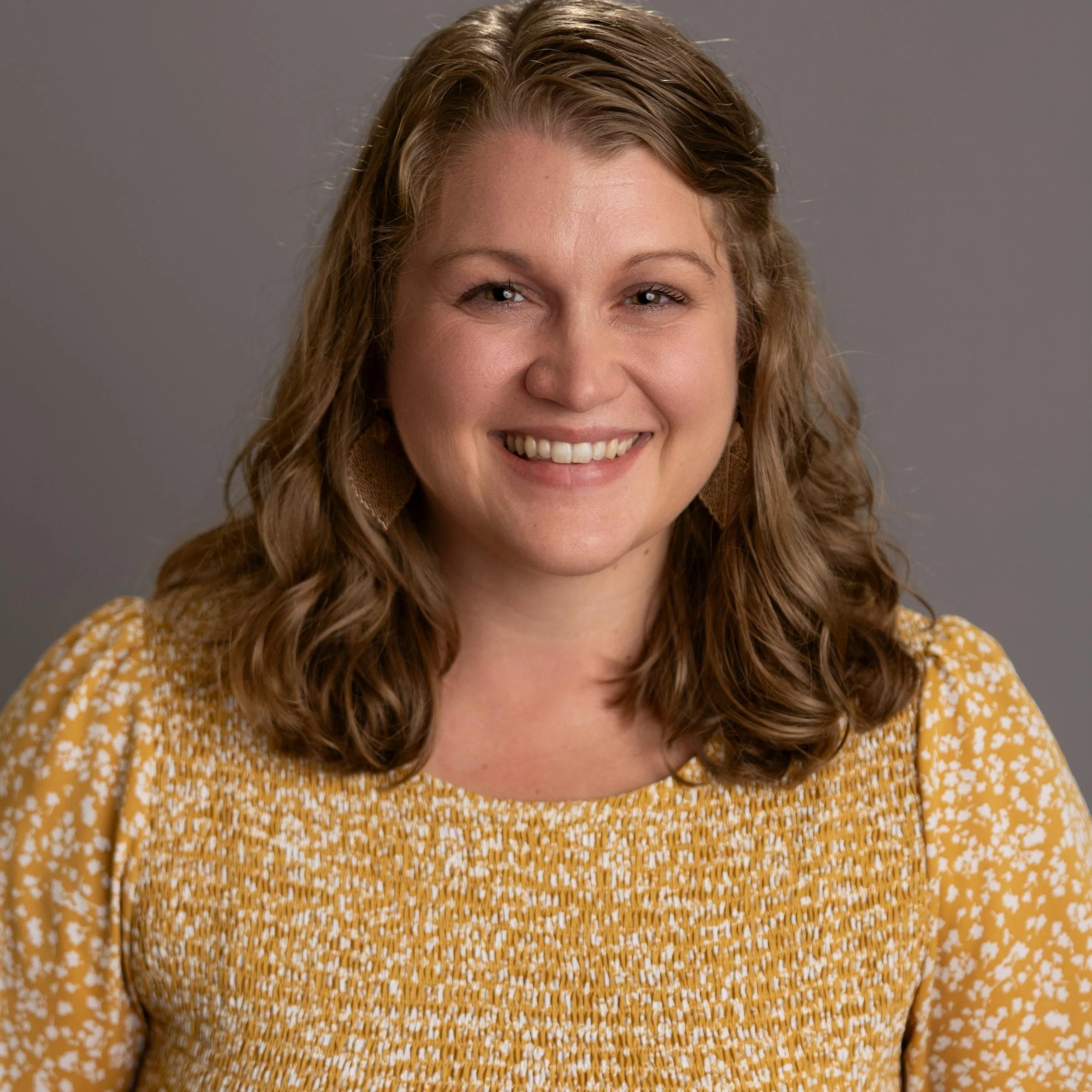
Together We Belong: Promoting Peer Engagement and Friendships for Students who use AAC
presented by Dr. Elizabeth Biggs
Peer engagement and relationships are at the heart of what it means to be included and belong, and they also shape children’s development and learning in many important ways. Yet, students with disabilities who use or would benefit from augmentative and alternative communication (AAC) often face significant challenges to developing authentic friendships and engaging meaningfully with their peers. This half-day workshop provides educators, families, service providers, school leaders, and other communication partners with practical, evidence-based strategies to foster peer relationships, promote social communication, and create genuine opportunities for inclusion and belonging for students who use AAC.
The workshop will begin by examining the social experiences of children and youth who use AAC, focusing on both the barriers they encounter and the facilitators that support authentic connections. Through real-world examples and insights from students, peers, and educators, attendees will learn how to promote social communication skills through meaningful engagement with peers, and how AAC can be leveraged to support expression, connection, and relationship-building.
Information for this workshop comes primarily from the Enhancing Peer Networks Project, a multi-year research project focused on improving social communication skills and promoting authentic peer relationships for elementary-aged students with autism who are minimally speaking. By leveraging the findings and strategies from this project, this workshop will go deeper than general principles of inclusion to focus on practical application. You will learn evidence-based strategies to support meaningful peer engagement and interaction for students who use AAC, specifically by building classroom cultures of inclusion, creating intentional opportunities for positive peer interaction, and supporting peers as responsive communication and play partners. A core focus of the workshop is on sharing practical tools and resources to build students’ social communication skills naturally through genuine relationships with peers, rather than isolated interventions. Whether you are supporting one student or hoping to implement school or district-wide initiatives, you will leave this workshop with the tools you need to make inclusion and friendship a reality for students who use AAC.

Meaningful Goals and Supportive Instruction for Early AAC Learners
presented by Tabi Jones-Wohleber
What comes first, the chicken or the egg? The same may be said of meaningful goals and skill-building interactions and instruction for early AAC learners. This 2-part session will begin with a deep dive into drafting meaningful goals for early AAC learners, then shift to explore opportunities and examples of skill-building interactions and instructional activities.
Early AAC learners who are developing skills related to engaging with their AAC often learn and interact in ways that are dynamic, may be difficult to describe and quantify, and are often on timelines that do not fit neatly into an IEP cycle. This poses a notable challenge for writing IEP goals, that by design, focus on students demonstrating defined skills in identified contexts. Another factor is that there is substantial onus on communication partners to provide ample aided language input, and responsive, skill-building feedback to support learning and foster foundational language development. This session will look at the components of a goal, and outline a framework for drafting goals that reflect the necessary learner + communication partner contributions for learning and engaging with AAC. This framework guides a goal writing process that: 1) describes student skills in nuanced ways, 2) considers a range of goal targets informed by communicative competencies, 3) includes necessary conditions for learning such as partner input and feedback, and 4) formulates goal criteria that reflects increases in consistency over time, and across partners and environments. A link to a workbook will be provided that participants can use and replicate to guide their goal-writing practices, and guide collaborative goal writing in teams.
The second part of this session will explore opportunities to develop AAC learner skills across communicative competencies. Through examples and discussion participants will engage in action-planning related to operational competencies. Participant input and contributions will guide conversation and exploration of resources to support social and strategic competencies. Linguistic competence will be discussed with a focus on the descriptive teaching approach. Sample lessons will be shared and developed to systematically identify the “language of the lesson”; purposeful vocabulary selection to shape AAC learning and concept development of key ideas across multiple and varied activities.
Vendors & Sponsorships
We believe that strong partnerships are essential to expanding our impact and advancing the field of AAC. We would like to thank the following organizations for their support of #TalkingAAC 2026:
Conference Vendors
Attendees will enjoy connecting with these vendors in person at #TalkingAAC 2026!



These non-profit organizations will also join us in person at the #Talking AAC Conference! Look for them in the north lobby at the Kellogg Center.

Sponsors
#TalkingAAC recognizes the following companies for their support of the #TalkingAAC Conference through sponsorship.

Vendor participation is designed to offer resources to our attendees. Inclusion in the conference does not represent an endorsement of any specific product or service.
In an effort to better support the needs of our learning community, we are happy to partner with MessageMakers for our 2026 conference. MessageMakers will provide video support to highlight our keynote presentations. This will create better visibility and accessibility for our audience.
Special thanks to MessageMakers!